
Wicked: For Good (2025) — Where to watch: streaming availability & viewing options
Why Wicked: For Good Hits Different
This one is built like a finale, and you can feel it in the way the trailer sells escalation without spilling the goods. Jon M. Chu returns as director, keeping the same big, kinetic, stage-to-screen style—wide spectacle when Oz is performing for itself, then tight, personal framing when the story narrows to two people trying to make sense of what they’ve become.
Cynthia Erivo and Ariana Grande reprise their roles as Elphaba and Glinda, and the marketing leans hard into the push-pull between them: affection and fracture, honesty and image, private loyalty and public expectation. Even in short trailer moments, the movie promises emotional proximity—two characters who can’t fully let go, even when the world insists they should.
Release-wise, Wicked: For Good opened theatrically on November 21, 2025, positioning it as an event movie-musical rather than “just” a sequel drop. That timing matters: the film wants a crowd, a big screen, and a big sound system. It’s the kind of musical where a held note feels like a plot beat.
It’s also the concluding half of the two-part film adaptation of the Wicked stage musical—and, beyond the familiar material, it includes two new original songs created for the film. That’s a smart promise for fans who already know the broad shape of the story: you’re not only getting a screen-scale finale, you’re also getting something that can’t be experienced exactly the same way anywhere else.
At a craft level, the trailer’s strongest flex is how it balances “fantasy world” texture with real emotional weight. The sets and costumes are the candy, sure—but the hook is the feeling that Oz is rewriting people in real time. The best musical finales don’t just end a plot; they change the meaning of everything that came before. The trailer is basically saying: that’s what you’re here for.
Trailer Guide: What to Listen and Look For
If you’ve watched the first film, the trailer for Wicked: For Good hits like a curtain rise on the *second* half of a story that’s already been simmering. The vibe leans bigger, sharper, and more emotionally loaded—less “first-day-at-school wonder,” more “choices have consequences.” Even without giving anything away, you’ll feel the marketing push toward scale: wider frames, bolder setpieces, and a sense that Oz itself has become louder and more divided.
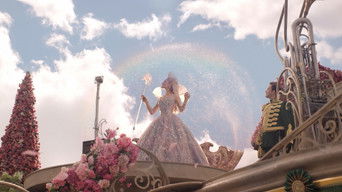
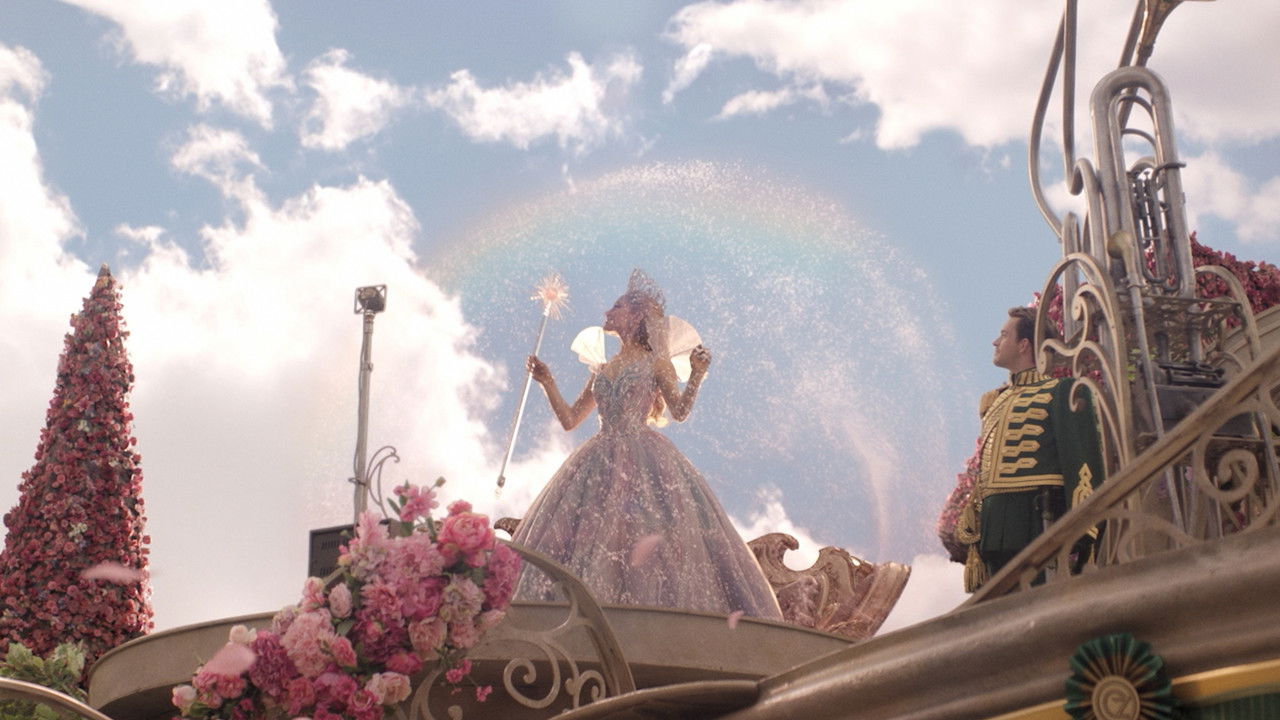
Pay attention to how the trailer uses contrast. One moment it’s glossy and ceremonial (spotlights, crowds, a polished public image), and the next it’s shadowy and intimate (whispered lines, isolated figures, hard edges of light). That tonal swing is the point. The trailer wants you to feel the pressure closing in while still delivering that musical lift—those swelling orchestral surges, the sudden drop to silence before a vocal line lands, the quick cut to a single, iconic image.
Listen for the edit rhythm. The early portion usually plays like a promise—longer shots, smoother camera moves—then the cutting tightens into a pulse. You’ll get “statement” shots (big locations, big costumes, big magic) punctuated by close-ups that sell the core relationship. If you’re the type who rewinds trailers, try this: rewatch once focusing only on sound (music + breaths + crowd noise), then again focusing only on color and lighting. The trailer is built to work on both tracks.
Last tip: if you’re avoiding spoilers but still want the hype, stop before any final montage that looks like it’s racing toward a climax. Many trailers save their densest imagery for the last 20–30 seconds. You’ll still get the mood, the stakes, and the musical charge without over-consuming the surprises.
Watch For These Trailer Cues
- A brighter, “public-facing” Oz vs. a darker, hidden Oz—lighting flips from polished glow to moody shadows in seconds.
- Choral swells and orchestral surges that cut abruptly to near-silence right before a key line (classic musical-trailer tension trick).
- Quick “propaganda” energy: crowds, banners, staged spectacle—images that feel designed to control the story people believe.
- Magic shown as both wonder and threat: sparkling elegance one beat, raw and volatile the next.
- Costume iconography that signals identity shifts (clean symmetry vs. asymmetry, soft tones vs. harsher contrasts).
- Editing that tightens into a heartbeat montage—short shots, hard cuts, big visual punctuation marks.
- A lingering emphasis on faces and hands between setpieces—because the emotional punch is the real engine.
Story Setup (Spoiler-Free)
Oz is still Oz—glittering, theatrical, and full of rules about who gets to be celebrated and who gets to be feared. But Wicked: For Good drops you into a world where the story has already been “told” to the public… and not necessarily told truthfully.
At the center is the bond between Elphaba and Glinda: a friendship that changed them, then broke under pressure, and now lingers like an unfinished song. The setup is less about who has power and more about what power demands—how reputation is manufactured, how fear spreads, and how people are pushed into roles they never chose.
The film frames its conflict as both personal and public. Private guilt and grief collide with pageantry, messaging, and the need for a simple villain. If you’re coming in for the music, the promise is catharsis. If you’re coming in for the fantasy, the promise is a bigger, tenser Oz. And if you’re coming in for the relationship… that’s the heart of it.
Content Notes (Non-Spoiler)
- Rated PG (fantasy intensity rather than graphic content).
- Tense sequences with crowds, fear, and characters being hunted or blamed.
- Magical action and peril, including moments designed to feel frightening for younger viewers.
- Themes of propaganda, prejudice, and public shaming (social pressure is a big part of the tension).
- Emotional confrontations and heartbreak energy (the movie leans into big feelings).
- Loud musical moments and sudden sound drops—great in theaters, but consider volume for sensitive viewers.
FAQ
Do I need to watch Wicked (2024) first?
Strongly recommended. Wicked: For Good is the second half of the story, so it assumes you already know how Elphaba and Glinda met, what they discovered, and why Oz is splitting around them. Watching Part I first makes the trailer beats feel exciting instead of confusing.
How long is Wicked: For Good?
It runs 2 hr 17 min. If you’re planning a theater trip, that’s a full event: trailers + the film can easily push your total time closer to three hours.
What’s the rating—okay for kids?
It’s rated PG. That usually means no graphic violence, but expect intense fantasy peril, scary imagery for sensitive kids, and heavier emotional themes. If a child handled the first film’s darker moments well, they’ll likely be fine here—but it’s still worth previewing the trailer together.
Where can I watch it right now?
It’s available in theaters (check showtimes in your area), and the official film site also points to at-home options where you can buy or rent digitally. Availability can vary by country and platform, so the safest move is to start with official listings and local services.
Is it still a full-on musical—and is there anything new?
Yes, it’s a musical and leans into big, cinematic staging. In addition to the expected Wicked material, the film includes two new original songs created specifically for the movie, which gives even longtime fans something genuinely fresh to listen for.
Wicked: For Good (2025)
Wicked: Part Two, Wicked: Parte 2, מרשעת: חלק 2, Злая: Часть вторая, Malvada: Para Sempre, 魔法坏女巫2, Zlica 2. dio, Phù Thủy Xứ Oz: Phần 2, Wicked: Pour de bon, Злая: Навсегда, Wicked 2, Wicked: Parte II, Wicked 2 - For Good, Čarodejka: Druhá časť, ウィキッド 永遠の約束-Streaming availability
We refresh this page regularly, but right now we can’t confirm a streaming, rental, or purchase option for Wicked: For Good (2025).
Availability changes by country and service—check back soon for updates.